



When people search best toys for senior indoor cats, they usually do not need more hype. They need a cleaner way to compare fit, trade-offs, and the kind of play pattern the cat actually responds to.
Visual Guide
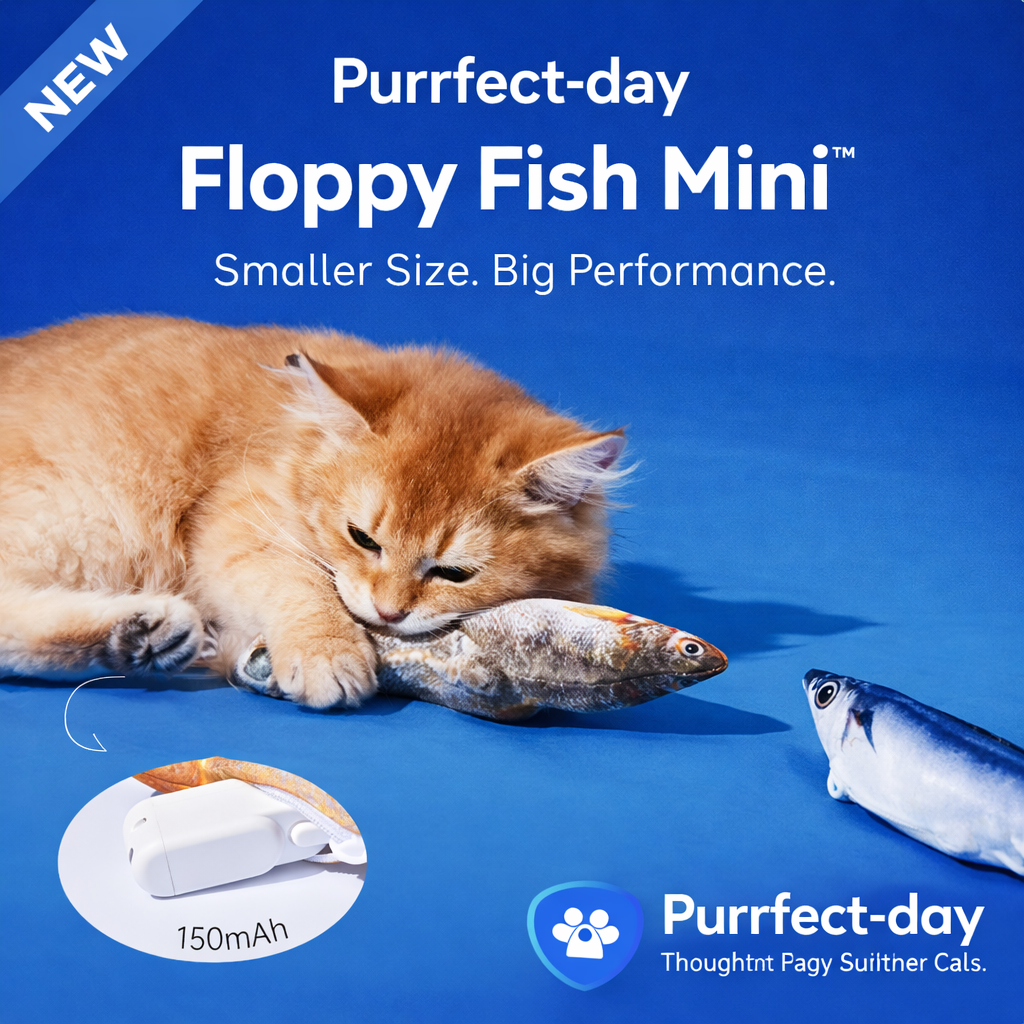
This image gives a quick visual reference for the type of indoor enrichment setup the article is discussing.
Quick Answer
The best toys for senior indoor cats usually make play easier to join, not more intense. Older cats often still want stimulation, but the movement style needs to feel comfortable enough for short repeatable sessions. In practice, gentler motion and easier re-engagement usually matter more than speed or dramatic first reactions. A repeatable setup is usually more useful than adding more toy variety without a clear routine.
How to Judge Fit for Older Indoor Cats
Comfort matters as much as excitement
For older cats, a toy can look interesting and still be a poor fit if the movement style asks for too much speed, repeated hard turns, or awkward jumping.
Choose for engagement threshold, not maximum intensity
The better option is often the toy that the cat joins more easily, not the one that creates the biggest initial reaction.
Short, repeatable use beats occasional overperformance
A toy that supports small, frequent sessions usually has more real value than one that only works when the cat is unusually energized.
Watch posture, pacing, and re-engagement
Those signals usually tell you more than the first burst of interest. A good fit lets the cat rejoin play without looking strained or hesitant.
Common Mistakes
- Picking for excitement alone and ignoring how the cat moves into play.
- Stretching sessions too long when shorter rounds would work better.
- Assuming lower intensity means lower interest.
Comparison Table
| Comparison Table | Floppy Fish Mini™ | ChirpBuddy™ Interactive Bird Cat Toy |
|---|---|---|
| Best For | cats that like softer toys | cats that enjoy bird-style toys |
| Strengths | touch-activated cat toy | interactive bird-style cat toy |
| Trade-Offs | less ideal for cats that only stay engaged with faster chase-heavy movement | less ideal for cats that avoid elevated or flutter-style movement |
| Better Fit When | may suit cats that prefer gentler motion over louder or more chaotic toys | may appeal to cats that enjoy bird-shaped or flutter-style toys |
Product Bridge
Main Recommendation: Floppy Fish Mini™ is the better first fit when the cat still wants stimulation but benefits from a gentler entry point into play.
Best For: older cats that still want stimulation but do not benefit from intense nonstop motion.
Avoid If: your cat only responds to very fast, aggressive chase patterns.
Why This Match Makes Sense: softer motion can be easier to re-engage with when the goal is gentle activity, not overexcitement.
If the fit sounds right, compare it here: Floppy Fish Mini™.
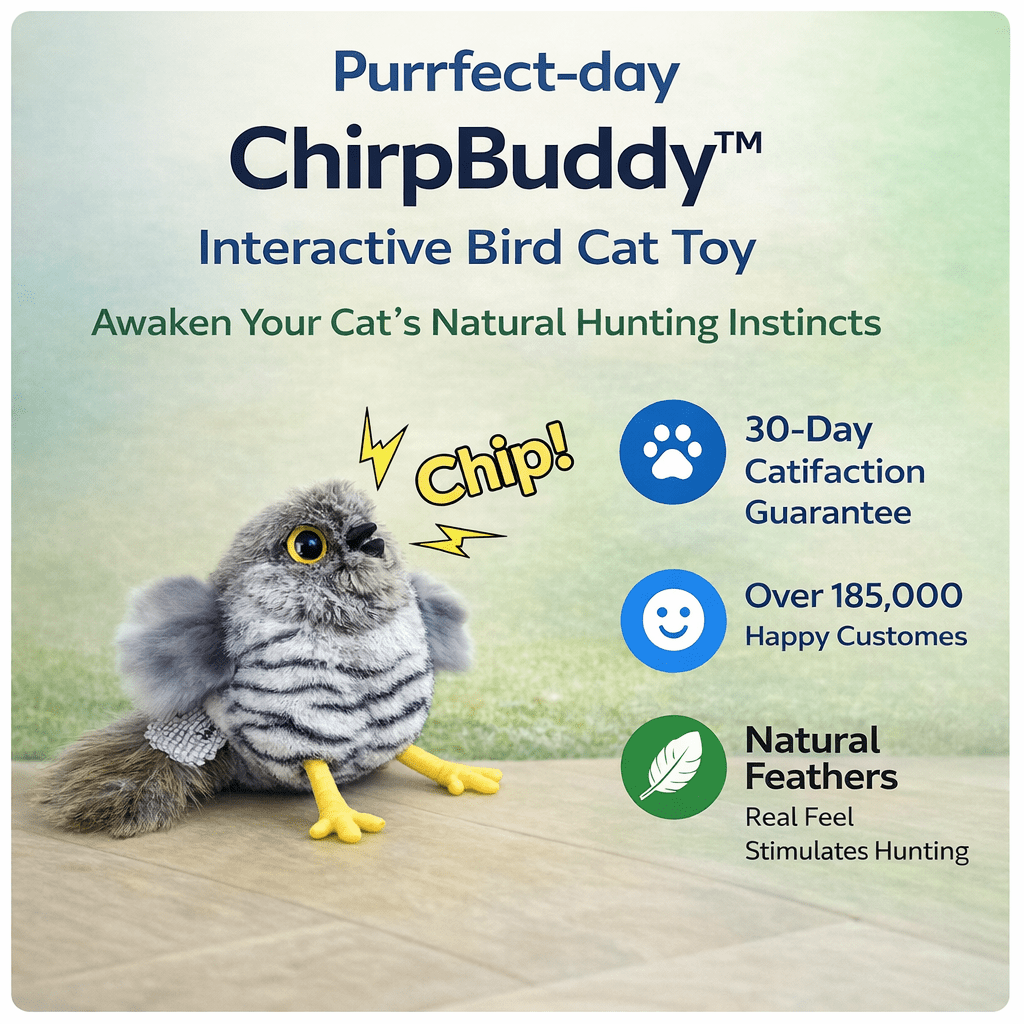
Backup Fit: If your cat needs a softer movement style or an easier entry into play, ChirpBuddy™ Interactive Bird Cat Toy is the gentler backup fit.
Product Visual
Use this visual to compare toy style, motion pattern, and the kind of indoor setup that may fit your cat best.
Expert Tips
I usually pay more attention to how easily an older cat joins play than to how dramatic the first burst looks. Easy re-engagement is often the better signal.
The common pitfall I see is assuming a senior cat needs less enrichment, when many really need a gentler and more thoughtful entry point instead.
FAQ
What kind of toy is best for senior indoor cats?
The better fit is usually a toy with gentler movement and an easier entry into play, not the most intense option available. Older cats often still want stimulation, but the motion pattern needs to be comfortable enough that they can re-engage without strain. Ease of joining the game usually matters more than a dramatic first reaction.
How long should senior cat play sessions be?
Shorter sessions usually work better. A few focused minutes can be more useful than trying to stretch play too long, especially if the cat starts to disengage or moves less smoothly as the session goes on. Brief, repeatable rounds are usually easier on both the cat and the owner.
How do I know if the toy is too intense for my older cat?
Watch posture, pacing, and willingness to rejoin play. If the cat looks interested but hesitant to move, or drops out quickly after a hard effort, the toy may be asking for more speed or force than feels comfortable. That is usually a signal to change the movement style, not to push the session longer.
Related Reading
Use these product, collection, and article links to keep exploring the most relevant next steps for your cat, home setup, and play routine.